
By Carolyn Porterfield
Para leer la versión en español haga clic aquí
The word “trust” evokes memories from my childhood. I had a terrible habit of lying. “Did you practice the piano today?” “Oh, yes!” What I failed to reveal was that the practice time was about five minutes, not the required thirty. I will skip other examples although there are many.
Lying broke trust with my parents. They could not believe what I told them. When I finally came to my senses and realized lying was not such a smart idea, I began to tell the truth. The problem was that my parents still did not believe me! I had to work to rebuild the trust I had broken. It was not easy and took time, but eventually I was once again trusted by my parents.
This childhood experience was a precursor to a valuable lesson. Trust is foundational in every relationship, whether it be family, friends, work, church, or school. It takes time to build trust but only seconds to destroy. It is tested every day through intentional and unintentional words and actions, small betrayals and large.
Building Trust
No person walks into a position of leadership and automatically has the trust of those she leads. Building trust begins with you. How do you do that?
Show who you are by your actions, not just your words. One leader with whom I worked was always gracious and respectful in meetings. Even when discussions grew tense or there was clear disagreement, my friend never wavered in showing respect to others.
Get to know the people you lead in both formal and informal settings. Talk about what trust means to each person. Lead the group in developing their own definition of trust and refer to that often.
Use your leadership power for the good of those you lead. When those you lead know you are looking out for their best interests, trust grows which increases creativity, productivity, and loyalty. I have known leaders who reduced their own salaries when budgets were tight so their employees could have raises or better benefits.
Understand the benefits of trust. I am a big collegiate women’s basketball fan. I have listened to many of post-game interviews and almost every player and coach talk about the trust their team has in each other. They acknowledge they might not be the fastest, most talented team but the energy trust creates is palpable which enables these women to reach amazing goals and achieve the impossible.
Breaking Trust
Trust is powerful yet fragile. Because we are human, we will all experience betrayal either as the one betrayed or the one who betrayed another. The hardest thing about betrayal is that it most often comes from those you know and love, not strangers. Small, subtle, and unintentional things can break trust just as easily as bold, blatant, and intentional words or actions.
Whispers behind closed office doors. Breaking confidentiality. Lying to a spouse. Playing favorites. Prayer requests that sound more like gossip than genuine concern. All these things are betrayals. It is easy to think of other examples, isn’t it?
In graduate school, I was in classes requiring group projects. I disliked them intensely because I knew there would be one or two people in the group who would not do their part. Bottom line: I did not trust them, and this was before I even knew them personally! I had had such bad experiences with prior group projects that I did not give new groups a chance.
There is a huge cost to pay when trust is broken. People build barriers around themselves, hoard their knowledge, refuse to interact with others, or even quit contributing entirely. This impacts the energy, passion, risk taking, and creativity of the team. How can you accomplish the work or achieve the mission if you are not able to trust and believe in others? Everyone loses when trust is broken.
Rebuilding Trust
At a time in my leadership journey when I experienced deep betrayal, my counselor recommended I read Trust and Betrayal in the Workplace by Dennis and Michelle Reina. I dug into the book looking for ways others had betrayed me and broken my trust. I discovered that but also found ways I had betrayed people. That was tough to face. I also learned ways trust can be rebuilt through hard work and perseverance.
Rebuilding trust begins with you. You may not have control over what happened to you, but you do have control of how you will handle betrayal. A first step is to honestly acknowledge what happened and the feelings you have. A friend, pastor, or counselor can be helpful in this process. I remember asking several times, “What really happened here?”
It is easy to blame others, but you need to accept your responsibility in what occurred. As I evaluated what had taken place, I came to see how my words and actions had contributed to a dysfunctional workplace. I was not blameless like I wanted to believe.
Forgiveness is crucial if trust is to be rebuilt. There is such power in forgiveness. I do not adhere to the statement that forgiveness means forgetting. It does not. But when you truly forgive another, you are no longer held captive to what happened. Forgive others. Forgive yourself. Then you can let go and move on.
Trust Matters
Over my forty years of leadership, I have seen how trust can help organizations flourish. I have also seen the damage caused by broken trust. I am still learning not to ignore the warning signs but to pay attention and try to address what is testing trust. I have both failed and succeeded but hope I am a better leader for the lessons learned through it all. May it be true of you as well.
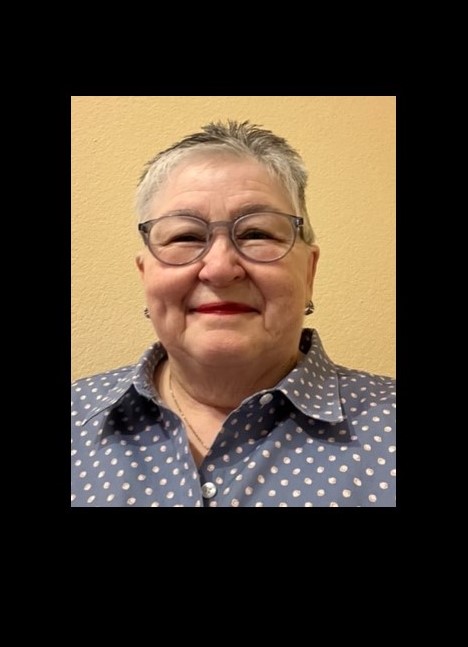
Carolyn Porterfield currently serves as Faculty, Board member, and Chair of the Academic Committee of the Christian Latina Leadership Institute. She is passionate about developing and empowering women as leaders.
 Christian Latina Leadership Blog